
2026-08-21 · Robert Hale
Gas Line Safety Tips For Older Homes In Southside Birmingham
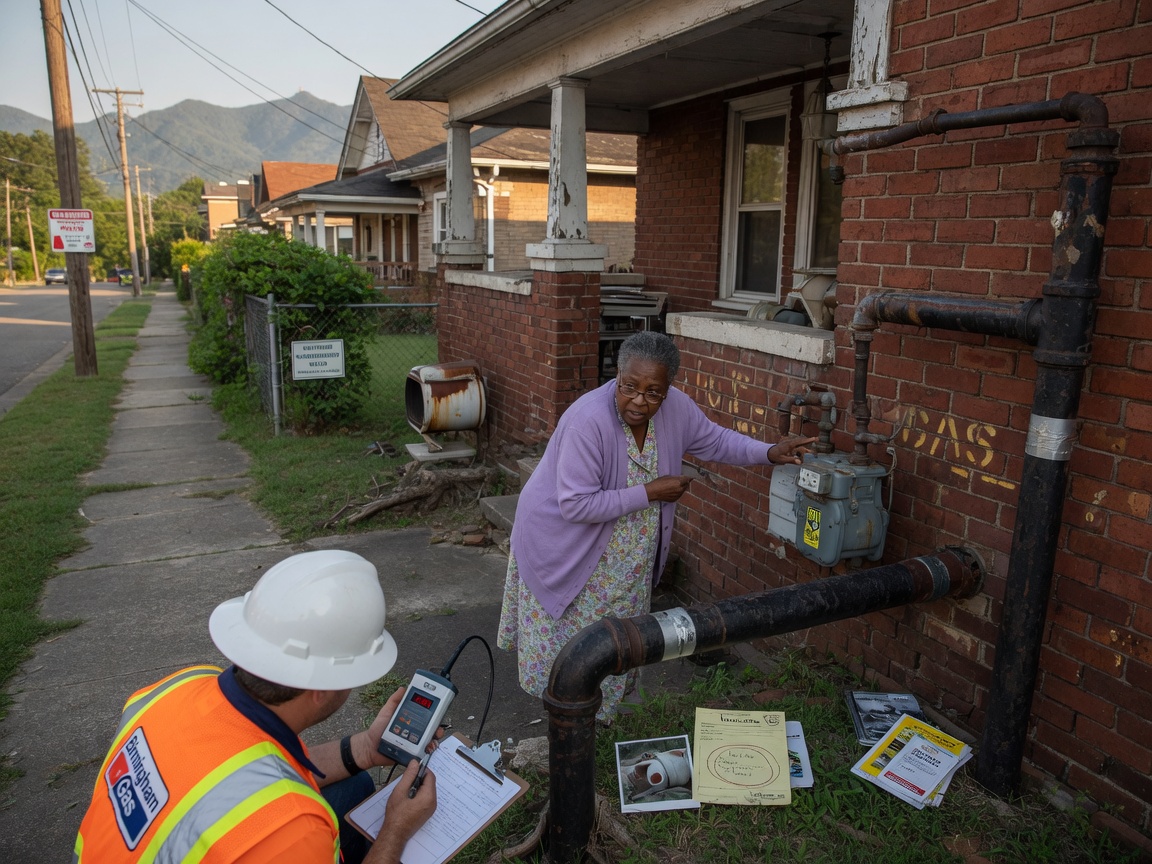
Southside Birmingham's pre-1950s homes often have original steel gas lines that corrode faster in the area's humid subtropical climate, where hot summers drive condensation and mild winters allow soil moisture to persist year-round. Regular visual inspections for rust flakes around fittings, combined with soapy water tests at joints, catch small leaks before they reach dangerous levels in neighborhoods like Five Points South and Highland Park.
Checking for Corrosion in Southside's Aging Housing Stock
Southside's brick and frame homes from the 1920s through 1940s sit on clay-heavy soils that retain water after rain, accelerating external rust on buried lines. Walk the perimeter twice a year and look for flaking metal or soil discoloration near the meter. Inside, examine exposed piping in basements or crawl spaces for pitting, especially where lines run near plumbing that adds extra humidity. Jefferson County's mild winters mean less freeze-thaw stress but more consistent moisture that keeps corrosion active. If you notice orange-brown residue or a sulfur smell near the stove or water heater, shut off the supply at the main valve and schedule a professional assessment before resuming use.
Spotting Leaks in Humid Conditions Near Local Landmarks
High humidity in Birmingham can mask the odor of mercaptan added to natural gas, so residents in Avondale and Forest Park should rely on visual and auditory cues instead. Listen for hissing at connections behind appliances and watch for dead vegetation in straight lines across yards, which often marks underground leaks. Near landmarks such as Vulcan Park and Museum or Sloss Furnaces, older service lines may cross former industrial easements where soil compaction from past development increases stress on pipes. Keep a battery-powered carbon monoxide detector on each level and test it monthly, since incomplete combustion from restricted flow can produce this odorless byproduct in tightly sealed older homes.
Safe Shutdown Steps During Storms or Emergencies
When summer thunderstorms knock out power or heavy winds damage lines, locate the main shutoff valve outside near the meter before any work begins. Turn it clockwise until it stops, then open windows to ventilate and avoid operating electrical switches that could spark. How To Safely Shut Off Your Gas Line During An Emergency outlines the exact sequence for homes with multiple meters common in Southside duplexes. After the storm passes, do not relight appliances yourself; wait for a technician to confirm pressure and inspect joints, especially on lines running to gas fireplaces or stoves in Crestwood and Woodlawn.
When Professional Inspection Becomes Necessary
If your home shows any of the signs above, contact a local operator for targeted testing rather than attempting repairs on decades-old piping. Gas leak detection uses electronic sniffers that locate micro-leaks missed by soap tests, particularly useful on lines buried under driveways in Titusville or Pratt City. Preventing Corrosion In Underground Gas Lines explains protective coatings and cathodic methods that extend service life in Jefferson County's acidic soils. Homeowners in nearby Homewood or Mountain Brook with similar stock often schedule these checks every three to five years to stay ahead of failures during peak summer demand.
Practical Habits for Long-Term Safety
Keep appliance connectors flexible and replace rubber lines every eight to twelve years, since heat and humidity in Birmingham shorten their lifespan. Clear vegetation and mulch at least eighteen inches from meters to allow airflow and easy access. Note any recent excavation near your property line, as contractors working around Railroad Park or the Birmingham Zoo sometimes disturb older services. These steps, performed consistently, reduce risk in Southside's dense blocks where homes sit close together and shared walls can carry sound or odor between units.